
Neuroaffirmarming Spaces- Dignity, Participation, Social Justice
Learn what neuroaffirmaing means why it matters to your company
GLOSSAR
All Connected Academy programs are designed to be neuroaffirmative.
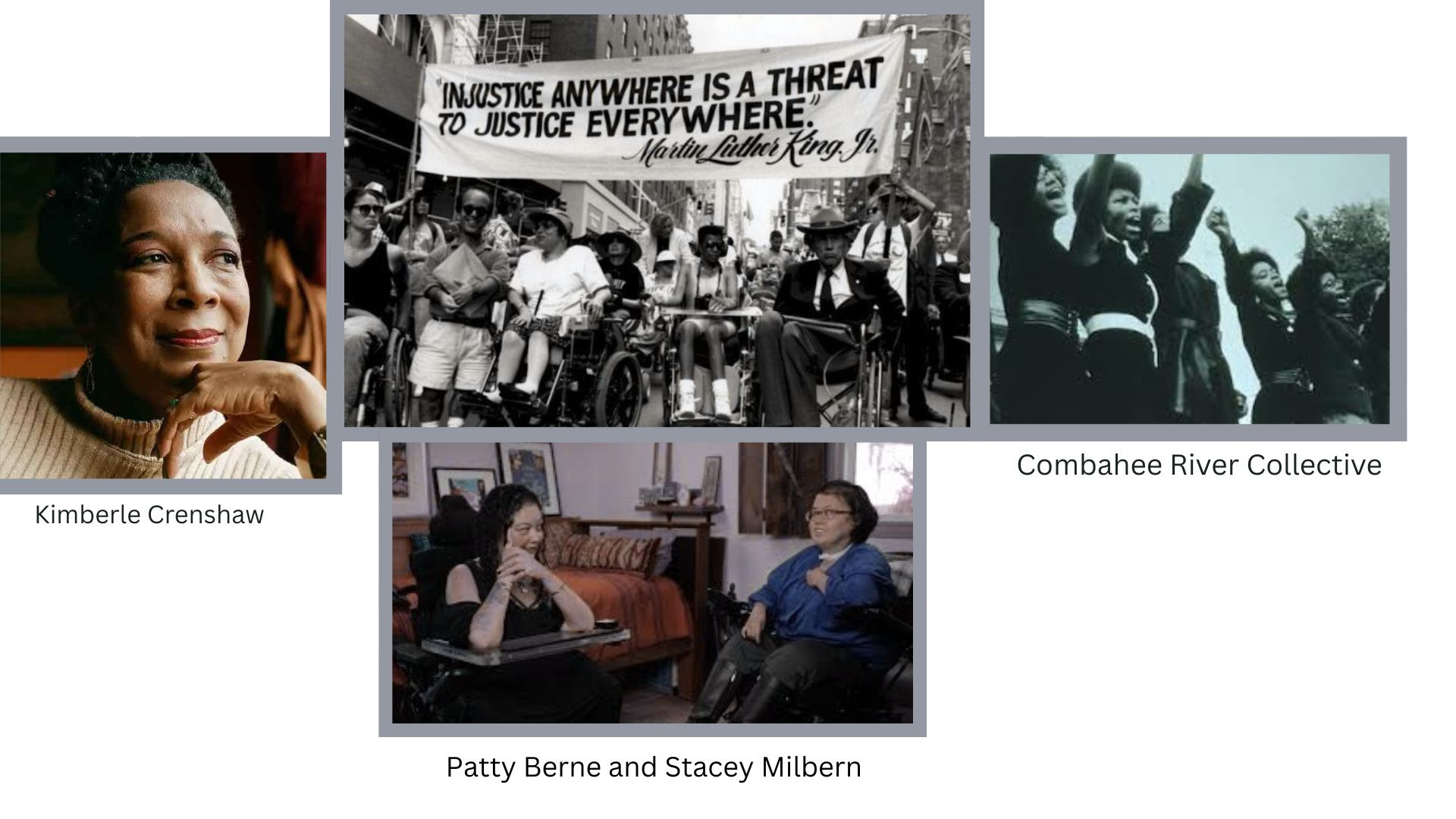
The term has its roots in Black and queer liberation work—primarily through the lens of disability justice.
The concept is best understood when we focus on the word “recognition.”
Neuroaffirmative spaces are designed so that the lived reality, disability-related needs, and the needs of neurodivergent people are recognized and made visible in every aspect of the design. Every process, every structure, and every event is then designed to ensure that everyone in these spaces feels safe and able to participate.
Of course, this applies not only to neurodivergent people, but—from an intersectional perspective—to all people; in particular, those who have historically been disadvantaged and excluded, such as Black people, Indigenous people, queer people, people with disabilities, etc.
In the conventional understanding of inclusion, people with disabilities must ask for inclusion. Neuroaffirmative spaces are inclusive by design.
This is evident, for example, in the fact that as much information as possible is shared in advance so that people who might find it distressing do not have to face any unexpected surprises.
Here is an example of a neuroaffirmative Q&A session
We explicitly encourage you to communicate in the chat, both verbally and in writing.
We also explicitly invite you not to communicate at all. This removes the social pressure to participate or to participate in a certain way.
The curb cut effect benefits not only autistic people, those with social anxiety, or introverts; it also benefits people who are grieving, those who are too exhausted for interaction, or those who simply don’t feel like communicating right now.
Since social conventions usually implicitly require us to participate in certain contexts or to participate in a certain way, the explicit invitation is also an explicit permission.