
The Art of Resting —
Introductory Course in Mindfulness Meditation
Vipassana Meditation, Applied Polyvagal Theory and Trauma-Sensitive Self-Compassion
4-week online course every Tuesday on demand – relaxed, neuroinclusive, and flexible
Onboarding
Optional self-study with definitions and practical exercises
LIVE Online Sessions
Four 90-minute online sessions featuring a presentation, guided meditations, and a Q&A (no requirement to turn on your camera or microphone; safe enough space)
Your opportunity to share experiences of the individual modules during and after the course (part of the Ablefy learning platform)
Community
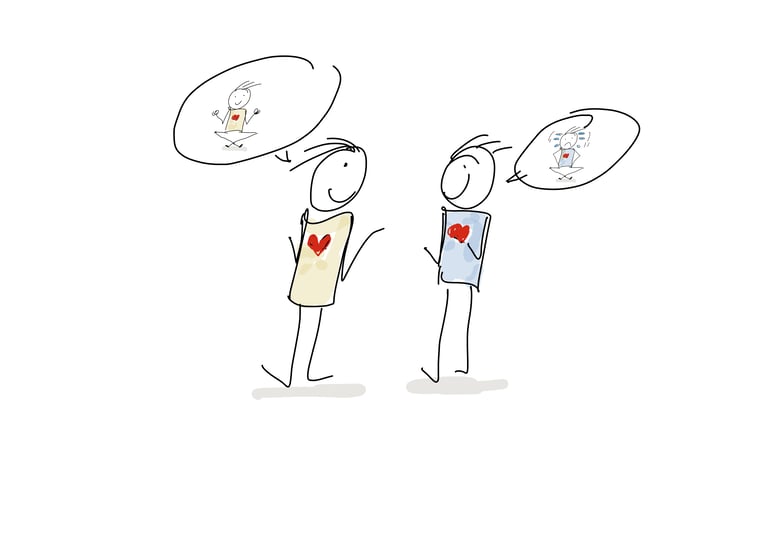
Living well despite and with increasing demands
The social changes taking place in the health and social sectors are taking a toll on us.
Whether you were already feeling chronically overwhelmed by all these stressors or are only now beginning to feel the effects of these social developments, join our course on inclusive mindfulness practice in difficult times!
Even though society must take responsibility for setting the course toward social justice, participation, and security, we can still do something to remain or become more stable in the face of increasingly difficult realities of life. To feel our alifeness more deeply again; to perceive the magic of the world and our human journey within it.
Through mindfulness practice and an understanding of how our nervous system works for us, we can mitigate the physical consequences of chronic stress and, despite all difficulties and unsettling developments, strengthen a sense of safety and connectedness within ourselves.
We can learn that we don’t have to push ourselves even harder and develop sustainable restful competence and stability. Together.
What you can learn in this course
Developing the art of resting in a world that demands more and more from us
Vipassana Mindfulness Meditation (breath, body, thoughts, emotions)
Anchoring stability in unstable and overwhelming life situations using methods from trauma psychology (resource practice, tolerance window, pendulum technique, self-compassion, and much more)
Reflecting on your own conditioning, imprints, and thought patterns
Creating a space between your perception and your evaluation/reaction that offers you more choices
Neurobiological knowledge and techniques for emotional stabilization (applied polyvagal theory)
Develop a more loving approach to yourself
Stay connected to what matters to you in a world full of noise
Raise your focus and concentration to a more consistent level
Reduce reactivity and cultivate composure
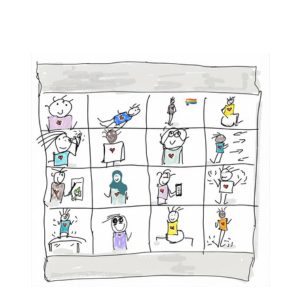
People who want to deepen their intuition and their connection with themselves and the world around them
People who feel they are struggling more than ever to cope with daily demands and pressures
People who have long felt that daily demands are becoming increasingly overwhelming or have already left them feeling overwhelmed
People who have reached their limit
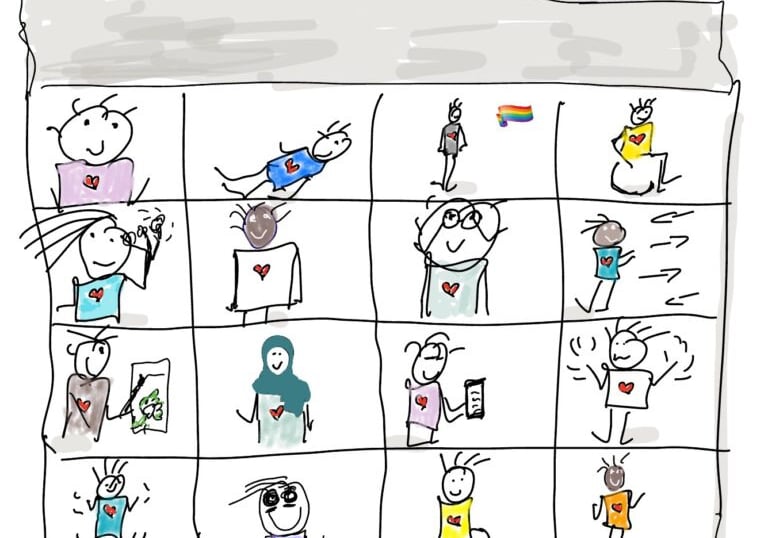
People who are particularly affected by societal developments (those with chronic illnesses, people with disabilities, neurodivergent individuals, people with mental health conditions, LGBTQA+, people of color, single parents, and many others)
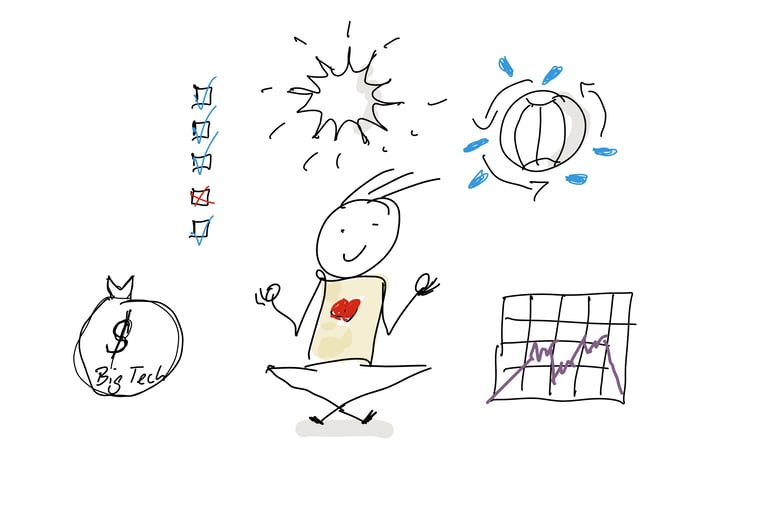
Who this course is for
What's included in this course
4 live online sessions, each lasting 1.5 hours, featuring a short talk, a guided meditation, and a Q&A
Video and audio recordings of guided mindfulness meditations
Guides to help you incorporate the meditations into your daily life
Your personal journal to support and document your mindfulness journey
Price categories
Our response to varying financial circumstances. To make our courses as accessible as possible. You can make your selection at the ticket counter.
Sponsorship Price/B2B
You are financially well-off or a company and interested in supporting our mission and other people? If so, please select this option.
Regular Price
That is the regular price for this course.
Solidar Price
This is the solidarity price. Choose it if you need it.
By the way: You can also buy the course as a gift! Just select "Buy as a gift" during checkout.
640 €
440 €
240 €
The Art of Resting
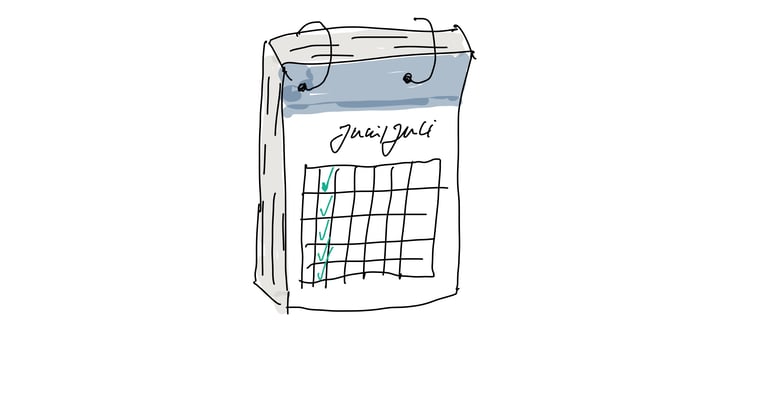

11.08.26
18.08.26
25.08.26
01.09.26
4 Tuesdays 6 - 7.30 PM CET


The Art of Resting
The Art of Resting
August 2026
Introduction Mindfulness-Meditation
Introduction Mindfulness-Meditation
2026
2026
Introduction Mindfulness-Meditation
4 LIVE Sessions a 90 Minuten mit Impulsvortrag, geführter Meditation, Q & A plus Leitfäden, Audio- und Videomaterial zum Vertiefen deiner Praxis
Course Dates
4 Tuesdays, 6:00–7:30 p.m. CET
4 live sessions featuring a keynote talk, guided meditation, and Q&A, plus guides, audio, and video materials to help you deepen your practice
Session 2
Introduction to Thought Meditation (Dealing with and becoming aware of one´s Conditioning, Thought Patterns, and Beliefs)
Deepening Breathing Meditation
Session 3
Session 1
Introduction to the Basics of Trauma-Informed Mindfulness and Resource-Based Practices
Introduction to Breathing Meditation
Session 4
Deepening Self-Compassion
Introduction to the Practice of Compassion as an Antidote to Hatred, Division, and Social Indifference
Deep Dive: Self-Kindness and Self-Compassion
Introduction to the RAIN Practice - Dealing with Difficult Emotions
Frequently Asked Questions
How long do the sessions last?
Each live session lasts 90 minutes and takes place online.
Are the LIVE sessions recorded?
NO participants will be recorded.
Keynote speeches and meditations will be recorded WITHOUT the participants (for promotional purposes and for the participants' own use).
Do I need to turn on the camera?
No, you don't have to turn on your camera—that's perfectly fine and part of our neuroaffarming space. At the same time, I'm happy for everyone who does turn it on. It makes you seem more real and lively to me.
What does "trauma-sensitive" mean?
Trauma-sensitive mindfulness courses give you more options regarding how and what you participate in, and help protect you from being caught off guard during meditation by intense experiences that might overwhelm you. You can find more details here.
Is this a Buddhist course?
No. The course is non-denominational and suitable for people of all beliefs. The practice you will learn—Vipassana meditation—has its roots in Theravada Buddhism and today it is taught worldwide in secular contexts, regardless of religious affiliation. Similarly, the elements from the Shambhala tradition that are integrated into the course represent a secular approach within Tibetan Buddhism.
What is Vipassana Meditation?
The practice you will learn—Vipassana meditation—has its roots in Theravada Buddhism, but today it is taught worldwide in non-Buddhist contexts, regardless of religious affiliation. It involves stabilizing concentration, attention, and open awareness, and of course insight meditation, which focuses on meaningfully integrating and applying the insights gained for ourselves and others.
Is trauma-informed mindfulness a form of therapy?
No, not at all. This mindfulness program simply takes into account the fact that many people are living with unresolved trauma. The courses are designed to minimize the likelihood of retraumatization or distressing experiences during meditation. However, it is possible that participants may become more aware of distressing memories, and some individuals will certainly benefit from additional therapeutic support. We have a large network of professionals in the field of trauma and are happy to assist in finding a suitable specialist if needed.